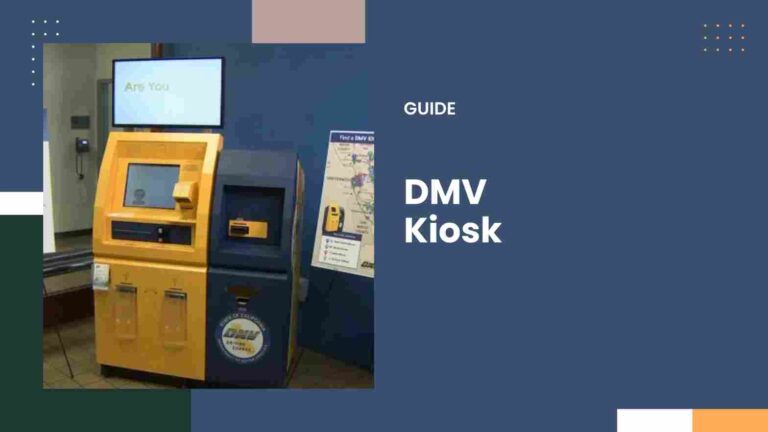
IRS Tax Kiosk Closures: How to Access Forms and Refunds Now
For years, IRS Tax Kiosks offered taxpayers a quick, self-service way to access forms, check refund status, retrieve transcripts, and apply for Employer Identification Numbers, all without waiting in long lines.
But in 2025, the IRS officially shut down the program.
Aging equipment, declining use, and costly maintenance made the kiosks unsustainable, pushing taxpayers toward modern online tools and in-person assistance centers.
IRS Tax Kiosk Status Map (Click a State)
What Are IRS Tax Kiosks?
IRS tax kiosks were self-service computer stations placed inside certain IRS offices, specifically Taxpayer Assistance Centers (TACs).
You’d sit down, log into IRS tools, and navigate things like transcripts or payment plans, while an IRS employee stood nearby to guide you if needed.
The IRS called this setup “Facilitated Self-Assistance” (FSA).
A hybrid model. Not fully digital, not fully in-person. Something in between.
The Idea Behind IRS Tax Kiosks
The concept was straightforward.
Not everyone has reliable internet. Not everyone feels comfortable navigating government websites. So instead of forcing taxpayers to choose between “figure it out online” or “wait in line,” the IRS tried something else:
Give people access to digital tools, but inside a physical office, with help available.
It worked, for a while.
Timeline of the IRS Tax Kiosk Program (2008–2025)
The program didn’t just appear overnight.
By mid-2025, the kiosk program wasn’t just shrinking. It was effectively over.
Why the IRS Shut Down Tax Kiosks
- Age was a big one. Some machines had been running for over a decade.
- Reliability became a problem. Nearly half weren’t working during the 2024 filing season.
- And then there was usage. What once saw tens of thousands of users dropped to just a few thousand in 2024.
At that point, the math didn’t work anymore.
Maintaining outdated machines that people weren’t using, while better digital tools existed, just didn’t make sense.
So the IRS pulled the plug.
What Services the Kiosks Actually Provide
There’s a common misconception here.
These kiosks were not full-service tax preparation stations. You couldn’t walk up, press a button, and file your taxes from start to finish with IRS staff doing everything.
Instead, they gave access to tools you could already use online:
- IRS.gov resources
- Tax forms and publications
- Transcript requests
- Payment plans
- Free File options
- Refund tracking tools
- Tax ID applications
The difference? You had someone nearby to help if you got stuck.
What Replaced IRS Tax Kiosks
There wasn’t a direct replacement with a new machine or upgraded kiosk.
Instead, the IRS shifted direction.
The new model looks like this:
- Online first (accounts, transcripts, filing tools)
- Phone support when needed
- In-person help for specific cases only
In other words, instead of bringing the internet into IRS offices, the IRS is pushing taxpayers to access services from wherever they are.
How the Closure Affects Different Taxpayers
For some people, this change barely registers.
If you already:
- Use online banking
- Have stable internet
- Can verify your identity digitally
Then the kiosk’s disappearance doesn’t change much.
But for others, it’s different.
Taxpayers who:
- Lack of internet access
- Don’t own a computer
- Face language barriers
- Struggle with identity verification systems
…used kiosks as a middle ground.
Without them, the gap between digital tools and real-world access becomes more noticeable.
Accessibility and Equity Concerns
This is where things get complicated.
Digital tools make things faster and more scalable. That’s undeniable.
But they also assume a baseline:
- Internet access
- Technical comfort
- Verifiable identity records
Not everyone has those.
Advocacy groups have pointed out that systems like online identity verification can be especially difficult for:
- Unbanked individuals
- International taxpayers
- ITIN holders
So while digital expansion improves access for many, it can unintentionally exclude others.
Related Changes in IRS In-Person Assistance
Kiosks weren’t the only thing changing.
Taxpayer Assistance Centers themselves have evolved:
- More structured appointment systems
- Temporary closures in some locations
- Greater reliance on centralized scheduling
If a local office isn’t available, taxpayers may be directed to:
- Another nearby center
- Or a virtual service option
In-person help still exists—but it’s more controlled.
Step-by-Step: What to Do Now Without Kiosks
If you used kiosks before, here’s what replaces that experience:
- Start online
Use your IRS Online Account for transcripts, balances, and payment history
- Use digital tools
Free File, Direct File, and transcript services cover most needs
- Get help if needed
Phone support or free tax prep programs (like VITA/TCE)
- Go in person (if necessary)
Use the TAC locator and schedule an appointment
It’s a shift, but the tools are still there.
Alternatives to IRS Tax Kiosks
The closest equivalents today aren’t physical machines; they’re platforms.
- IRS Online Account
- Get Transcript
- Direct File
- Free File
- EFTPS (for payments)
For in-person assistance:
- VITA (Volunteer Income Tax Assistance)
- TCE (Tax Counseling for the Elderly)
These collectively replace what kiosks used to support.
FAQs
No. The program has been discontinued.
Not directly. They provided access to tools, not full-service filing.
Yes, but usually by appointment and for specific issues.
For most people, it’s the IRS Online Account combined with digital filing tools.
IRS tax kiosks were a transitional idea.
They existed in a moment when digital tools were growing, but not yet universal. They helped people cross that gap.